

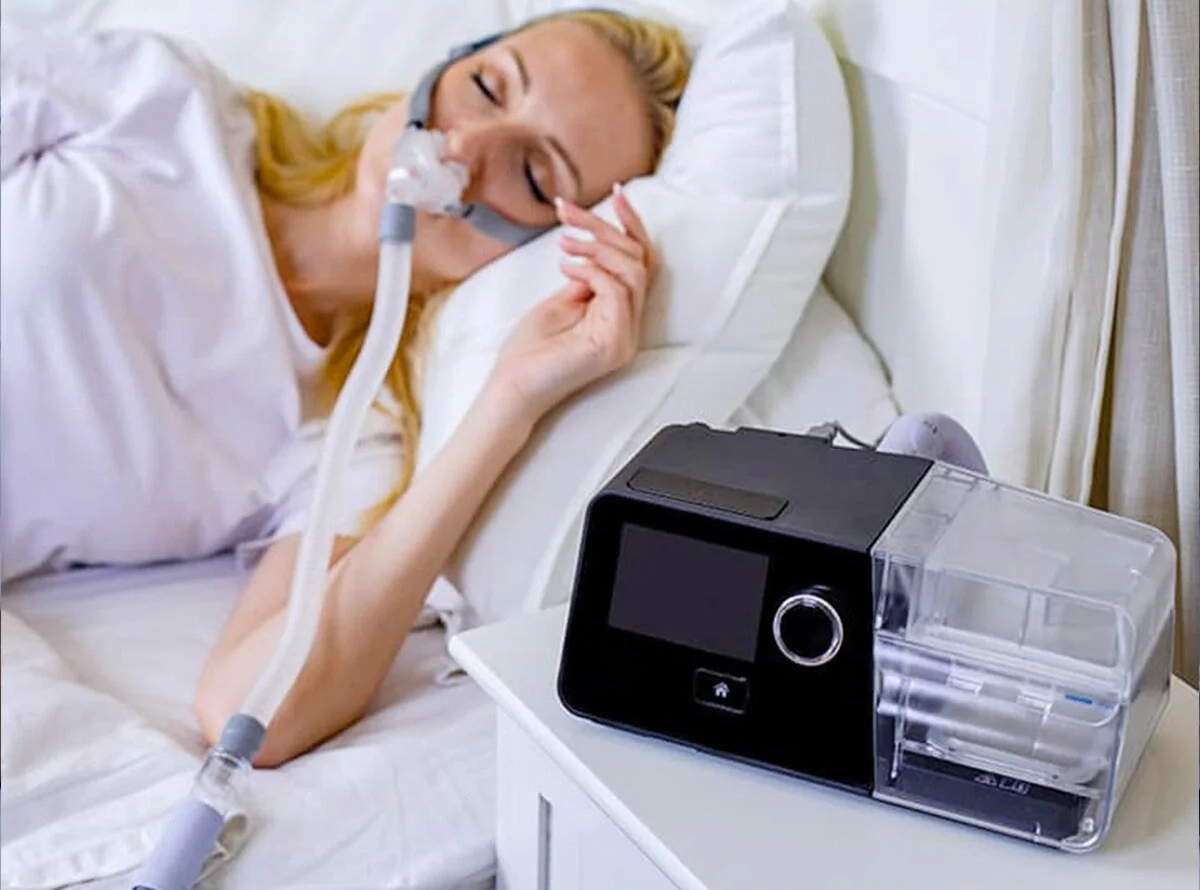
Breathing comfortably throughout the day and sleeping peacefully at night are essential for overall health and well-being. However, people experiencing sleep apnea or other respiratory conditions may need specialized equipment to support their breathing. Two common treatment options are Continuous Positive Airway Pressure (CPAP) and oxygen therapy.
Understanding CPAP vs oxygen therapy can help patients and caregivers learn how these treatments work, why they are prescribed, and how the right respiratory equipment can improve everyday comfort. At Independent Home Medical, we understand how vital oxygen and sleep therapy are to your daily well-being. That is why we offer trusted, reliable equipment and support to help you breathe easier, day or night.
What Is CPAP Therapy?
CPAP therapy is commonly prescribed for individuals diagnosed with obstructive sleep apnea (OSA). This condition occurs when the upper airway repeatedly becomes blocked or narrowed during sleep, causing temporary interruptions in breathing.
A CPAP machine delivers a steady stream of pressurized air through a mask worn over the nose or mouth. This pressure helps keep the airway open, allowing users to breathe more consistently while sleeping.
Some important benefits of CPAP therapy include:
- Helps prevent repeated airway blockages during sleep.
- Supports more consistent breathing patterns.
- May reduce snoring and sleep interruptions.
- Can improve sleep quality and daytime alertness.
- Helps manage symptoms associated with obstructive sleep apnea.
Consistent use, proper mask fitting, and professional guidance are important for successful CPAP therapy.
What Is Oxygen Therapy?
Oxygen therapy provides supplemental oxygen to individuals who have lower-than-normal oxygen levels in their blood. Certain respiratory and cardiovascular conditions can make it difficult for the body to receive enough oxygen naturally.
An oxygen concentrator or oxygen cylinder delivers supplemental oxygen through a nasal cannula or mask, depending on the prescribed treatment.
Oxygen therapy may be recommended for individuals with conditions such as COPD, pulmonary fibrosis, and other illnesses associated with low blood oxygen levels.
Common benefits include:
- Helps maintain prescribed blood oxygen levels.
- Supports normal body functions that depend on oxygen.
- Can reduce symptoms associated with low blood oxygen.
- Provides respiratory support during daily activities and sleep when prescribed.
Oxygen flow rates and treatment duration should always follow a healthcare professional’s instructions.
CPAP vs Oxygen Therapy: What Is the Difference?
Although both treatments support respiratory health, they serve different purposes.
The main difference is how each device works. CPAP uses pressurized air to keep the upper airway open during sleep, while oxygen therapy supplies additional oxygen to people who need help maintaining adequate blood oxygen levels.
For people with obstructive sleep apnea, CPAP is generally the primary treatment because it addresses airway obstruction. Oxygen therapy does not prevent the airway from collapsing and should not be considered a direct replacement for CPAP.
For individuals with low blood oxygen levels due to certain medical conditions, supplemental oxygen may be necessary even when sleep apnea is not present.
In some situations, healthcare professionals may prescribe both treatments together to address different respiratory needs.
Can You Use CPAP and Oxygen Therapy Together?
Yes. Some patients may benefit from using CPAP and supplemental oxygen together when they have sleep apnea alongside another condition that causes low oxygen levels.
For example, someone with both obstructive sleep apnea and COPD may require CPAP to maintain an open airway and supplemental oxygen to support blood oxygen levels.
However, combining these treatments requires medical supervision. A healthcare professional must determine whether additional oxygen is necessary and establish the appropriate settings.
Patients should never add oxygen to a CPAP system or change prescribed oxygen flow rates without professional guidance.
Choosing Reliable CPAP and Oxygen Equipment
Selecting dependable respiratory equipment is an important part of maintaining consistent treatment. Patients need equipment that fits their lifestyle, supports their prescribed therapy, and is backed by reliable service.
At Independent Home Medical, we understand that every patient’s respiratory needs are different. Our oxygen and sleep therapy equipment and support are focused on helping individuals access the products they need for everyday breathing comfort.
Whether you need CPAP equipment for sleep apnea or oxygen equipment for respiratory support, having a dependable home medical equipment partner can make managing treatment easier.
Explore our respiratory care solutions at:
https://independentmed.com/cpap-and-oxygen/
Making the Right Choice for Better Respiratory Health
When comparing CPAP vs oxygen therapy, remember that neither treatment is universally better than the other. The appropriate option depends on the underlying medical condition, oxygen levels, sleep study results, and individual treatment requirements.
With the right equipment, professional guidance, and consistent support, patients can take important steps toward better respiratory management and improved quality of life.
Independent Home Medical is committed to providing trusted equipment and dependable support to help patients breathe easier, day or night.
Frequently Asked Questions (FAQ)
1. What is the main difference between CPAP and oxygen therapy?
CPAP uses pressurized air to keep the airway open during sleep, while oxygen therapy supplies additional oxygen to individuals with low blood oxygen levels.
2. Can oxygen therapy replace CPAP for sleep apnea?
No. Oxygen therapy does not prevent airway obstruction. CPAP is commonly prescribed to treat obstructive sleep apnea.
3. Can you use oxygen therapy with a CPAP machine?
Yes. Some patients need both treatments when they have sleep apnea and an additional condition causing low oxygen levels. This combination requires medical supervision.
4. Who needs oxygen therapy instead of CPAP?
People with conditions such as COPD or pulmonary fibrosis may need oxygen therapy if their blood oxygen levels are low. Treatment depends on medical assessment.
5. Does CPAP improve oxygen levels during sleep?
CPAP can help improve oxygen levels by preventing airway blockages and breathing interruptions associated with obstructive sleep apnea.
6. How do I choose the right respiratory equipment?
Consult your healthcare provider to determine your treatment needs and prescribed settings. A reliable home medical equipment provider can help you access suitable equipment and support.