

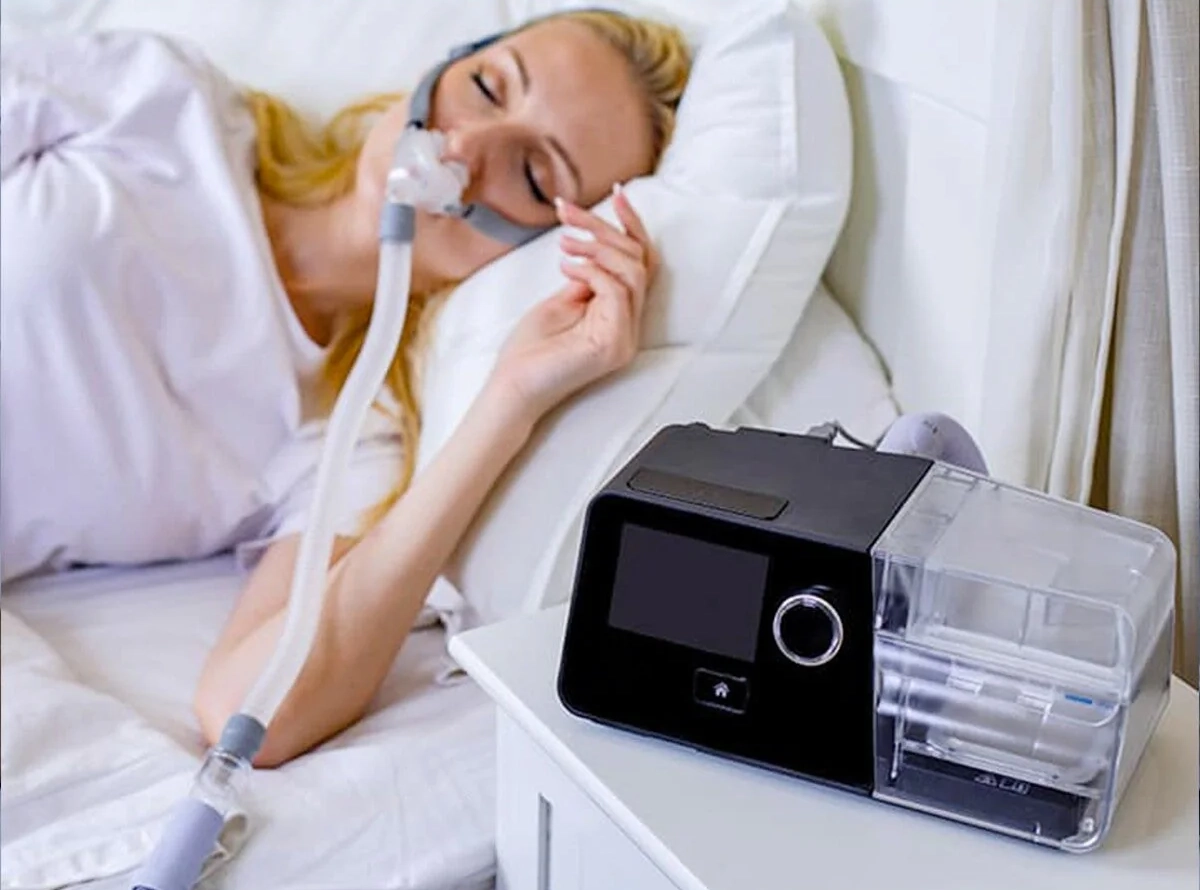
For people managing sleep-related breathing conditions, getting the right respiratory support can make a significant difference in everyday comfort and quality of life. While CPAP therapy is commonly used to treat obstructive sleep apnea, some individuals may also require supplemental oxygen. In these situations, an oxygen concentrator CPAP setup may be considered under the guidance of a qualified healthcare professional.
At Independent Home Medical, we understand how important oxygen and sleep therapy are to your everyday well-being. That is why we provide trusted respiratory equipment and support designed to help patients breathe more comfortably, whether they need assistance during the day, at night, or both.
Understanding CPAP and Oxygen Therapy
CPAP, or continuous positive airway pressure, uses a steady flow of pressurized air to help keep the upper airway open during sleep. It is primarily prescribed for people with obstructive sleep apnea and can help reduce breathing interruptions throughout the night.
Oxygen therapy serves a different purpose. An oxygen concentrator takes oxygen from the surrounding air and delivers concentrated oxygen to the patient through prescribed equipment. Supplemental oxygen may be recommended for people whose blood oxygen levels remain low because of certain medical conditions.
Because CPAP and supplemental oxygen address different respiratory needs, one does not automatically replace the other.
What Is an Oxygen Concentrator CPAP Setup?
An oxygen concentrator CPAP setup generally refers to using a prescribed oxygen concentrator alongside a CPAP machine. Depending on the equipment and medical plan, supplemental oxygen can be introduced into the CPAP circuit so that the patient receives both positive airway pressure and additional oxygen during sleep.
This type of setup should only be used according to a healthcare provider’s instructions. The appropriate oxygen flow rate and CPAP settings depend on the individual’s medical needs and prescribed treatment.
When Might Oxygen Be Used With CPAP?
Some patients may continue to experience low blood oxygen levels despite receiving CPAP therapy. In such cases, a healthcare professional may evaluate whether supplemental oxygen is appropriate.
Factors that may influence this decision include:
- Underlying lung or respiratory conditions
- Blood oxygen levels during sleep
- Results from a sleep study or other clinical testing
- Response to CPAP therapy
- Other health conditions affecting oxygenation
It is important not to start supplemental oxygen simply because you experience shortness of breath or tiredness. A medical professional should determine whether oxygen therapy is appropriate.
Benefits of Properly Coordinated Respiratory Therapy
When appropriately prescribed and monitored, combining CPAP with supplemental oxygen may help address both airway obstruction and low oxygen levels. A properly configured oxygen concentrator CPAP system can provide patients with respiratory support throughout the night while allowing them to continue their prescribed sleep apnea treatment.
Reliable equipment is also important. Patients should receive guidance on operating their devices, maintaining supplies, checking tubing and connections, and following their prescribed treatment plan.
Choosing the Right Equipment
Respiratory equipment needs vary from person to person. Some patients may require a stationary oxygen concentrator for use at home, while others may have different mobility or oxygen-delivery requirements. CPAP equipment also varies based on individual comfort, prescribed pressure settings, mask preferences, and other factors.
Working with an experienced medical equipment provider can make the process easier. Patients can receive assistance understanding their equipment and maintaining the supplies needed for consistent therapy.
Independent Home Medical is committed to supporting patients with dependable CPAP and oxygen equipment. Our goal is to make respiratory therapy more manageable by providing access to appropriate equipment and responsive service.
CPAP and Oxygen: A Personalized Approach
There is no single respiratory therapy solution that works for everyone. CPAP can be highly effective for obstructive sleep apnea, while supplemental oxygen may be necessary for certain patients with low blood oxygen levels. In some circumstances, both therapies may be prescribed together.
If you have questions about an oxygen concentrator CPAP setup, speak with your healthcare provider before changing your treatment. Professional evaluation can help determine the appropriate equipment and settings for your specific needs.
Frequently Asked Questions
1. Can an oxygen concentrator be used with a CPAP machine?
Yes, an oxygen concentrator may be used with a CPAP machine when supplemental oxygen has been prescribed by a healthcare professional. The equipment must be configured correctly.
2. Does CPAP provide oxygen?
CPAP delivers pressurized room air to help keep the airway open. It does not normally function as an oxygen concentrator or independently provide supplemental oxygen.
3. Why would someone need oxygen with CPAP?
Some individuals may have low blood oxygen levels that are not adequately addressed by CPAP alone. A healthcare professional can determine whether supplemental oxygen is appropriate.
4. Can I add oxygen to my CPAP on my own?
No. Supplemental oxygen should only be added under medical guidance. Your healthcare provider should determine whether oxygen is necessary and establish the appropriate flow rate.
5. What should I consider when choosing respiratory equipment?
Consider your prescription, therapy requirements, equipment compatibility, portability needs, maintenance requirements, and the support available from your medical equipment provider.